The Lead Out Method
— a method for education, instead of production
You want — we all want
all students succeeding.

And you know all students can learn.
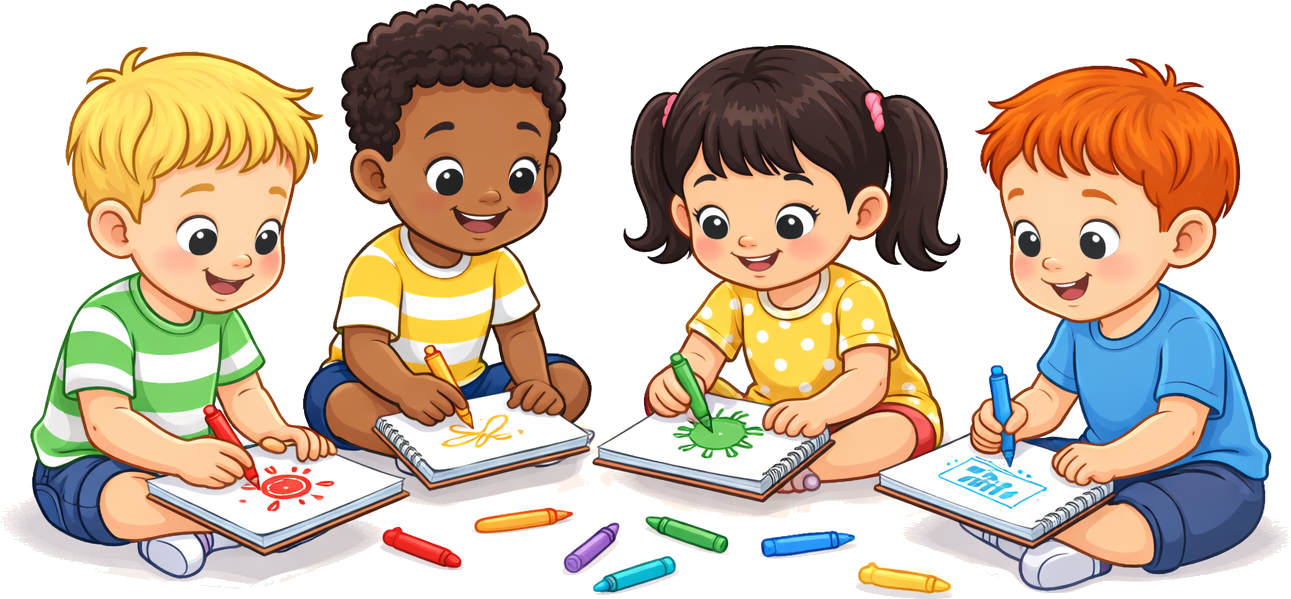
They are born naturally driven to create and learn.
We need a new system.
You know that now.
But first:
What is the right problem?
Understanding the right problem is the key.
That is the heart of the Lead Out Method.
Do you recognize the symptoms of the problem?
Too many students aren’t yet able to
- sit up
- pay attention
- take notes
- ask questions.
Too many get distracted and don’t engage.
And so, it’s difficult for them to learn.
(This is a problem.)
Further, too many students are not able to use freedom— freedom they need to learn— and help each other learnin their own learning zones (for parts of the day).
Instead of using freedom to learn, too many:
- “goof off”
- short attention
- have stress or trauma
- give up too easily
And so again, it’s difficult for them to learn.
(This is a problem.)
Do you see?
The problem is not learning.
The problem is before the learning.
The problem is here.
Column 1
Too many students don’t have
 nside – what they need to succeed
 utside – at school, in real life.
Not here.
Column 2
Learning
Reading, writing, arithmetic
And so we have our problem. It’s a Beautiful Problem.
The Beautiful Problem:
How to get students nsidewhat they need to succeed?
Let’s solve The Beautiful Problem so:
Solving it happens in two columns:
Column 1 — Educating
Use new educating skills+ Inner Educational Exercises
to get students inside what they need to succeed:
- the wise part within
- the skill-of-the-will
- wellness
- hope
Column 2 — Learning
Students apply themselves with a will
Failing cheerfully
Persisting curiously
Students start breaking out of same-pace learning — as their independent abilities grow.
The two beautiful results
Result 1
Each individual student
becomes educated — able to use inner autonomy to apply themselves at school and in real life.
Result 2
The one-and-many
Now, even though there is only:
- the-one educator in the classroom
- the-many students can learn — and help each other learn — in their own learning zones (for parts of the day).
Students use new ability for independence to
break out of same-pace learning.
This is a big deal.
With just one educator, the-many students can learn in their own zones (for parts of the day).
What people are saying
-
“I am a Licensed Mental Health Clinician and a director of mental health programs in New York and California. Currently working at YAI with schools, government agencies and community organizations throughout the State of CA to address gaps in services for children, teens and adults with intellectual disability and co-occurring mental health challenges.I have seen amazing progress using tried and true techniques grounded in knowledge of psychology, neuropsychology and childhood development.
While Post Traumatic Stress Syndrome is prevalent, Post Traumatic Growth describes the positive change occurring in a child, teen or adult after they experience a highly stressful event. Growth through adversity leads to maturity! There is opportunity to grow meeting students where they are. When students are less stressed, they are more capable to help each other learn. Educators are freed from a 1-size-fits-all schedule to developing student' ability to learn in their own zone.
The reason I support the Lead out method is that it brings effective practices and knowledge right into school, to develop the human potential of everyone in school, from students to educators to principals and everyone on the school staff.
I endorse the Lead out method and encourage others to do so as well.
About Sharon Cyrus-Savary:
Sharon Cyrus-Savary, M.S.E.D, LMHC, PhDc. has been the Director of START and Clinical Director of Intensive Individual Transition Service (IITS) at Young Adult Institute (YAI). YAI provides person centered, trauma-informed, culturally/linguistically competent supports to more than 20,000 children, adolescent and adults with intellectual and developmental disabilities in New York and California. Her work as clinical director for IITS offers clinical case management with a focus on better quality of life for persons with an Intellectual/Developmental Disability, co=occurring mental health and criminal justice involvement. All children, adolescent, adults and families thrive when they have the right person centered supports that respects their autonomy and provide them with opportunity to live their best lives.
Previously, Ms. Cyrus-Savary was Director of START at Services for the UnderServed (S:US) for 5 years. This organization drives scalable solutions to transform the lives of 35,000 people with disabilities, people in poverty, and families facing homelessness. Providing solutions that contribute to righting societal imbalances. Ms. Cyrus-Savary’s career includes forensic mental health with doctoral training/work experience with patients with severe and persistent mental illness on Rikers Island for over 5 years. She has provided couples and family therapy at Phoenix House for families, as well as men and women with substance use challenges. She also has a private psychotherapy and career counseling practice. In addition, Ms. Cyrus-Savary is an educator, she was an adjunct lecturer at LaGuardia Community College for over 6 years, a Career Counselor at Brooklyn College, as well as a frequent presenter at conferences around the country.”
— Sharon Cyrus-Savary, M.S.E.D, LMHC, PhDc., YAIParent · Educator (current or former) · Psychologist · Consultant
What does the Lead Out Method look like in practice?
Let’s put the new educating skills to work.