
Taylor's method in Education
The school system is quite simple
— especially since you've already seen Taylor's production method.
The problem
Same problem as the factory line.
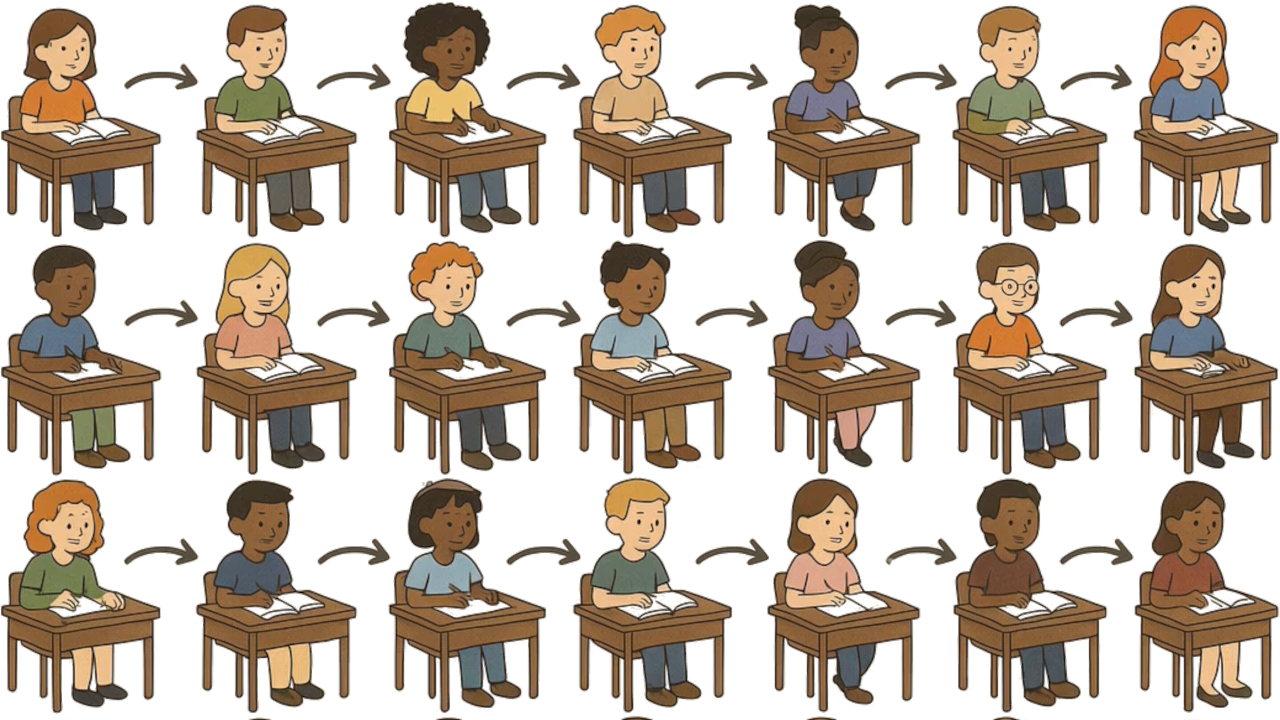
How to get students to learn at the same pace?
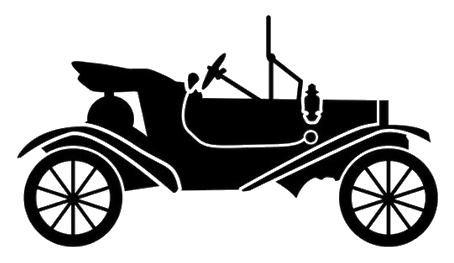
— so, just like Model T cars, they're ready to start (the next school year).
Steps
Same steps as the Model T factory.
- Design the curriculum — same step as designing the Model T car.
(Curriculum is provided by each state.)
- Central Planning plans
- Plans a schedule of learning tasks for each subject and grade.
- Designs mid-year inspections (tests).
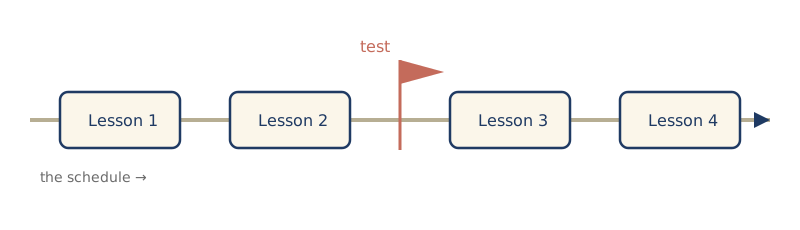
3. Supervisors — teachers.
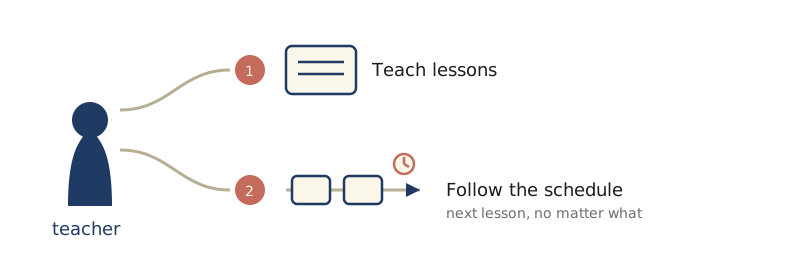
Teachers have two jobs:
- Teach lessons; and,
- Above all, make sure students follow the schedule — next lesson, no matter what — ready or not, behind or not, discouraged or not.
The stakes
If students learn following the schedule, then they will be ready for the next lessons.
But if students don't learn the lessons, they are likely to fall more behind.
Does Taylor's production method succeed in education?
The nation's own report card — the National Assessment of Educational Progress — says no.
- In 2024, about 40% of 4th graders scored below Basic in reading — the largest share since 2002.
- Roughly one-third of 8th graders scored below Basic in reading — the largest share ever recorded.
- In math, 39% of 8th graders and 45% of 12th graders could not reach even the Basic level.
Source: The Nation's Report Card (NAEP), 2024, National Assessment Governing Board.
This production method cannot work for education.
It's impossible to get all students to learn at the same pace, because — unlike Model T cars, students are all different.
Further, this production method is missing educating.
There is nothing in Taylor’s method designed to solve the Right Problem, The Beautiful Problem:

The Beautiful Problem:
How to get students nside – what they need to succeedutside – at school, in real life?
And because this production method does not include educating:
it suppresses the three conditions scientifically proven to activate learning motivation:
- Autonomy: Students don’t have the inner ability to autonomously focus, or use freedom to learn in their own zone.
- Mastery: Naturally, for parts of the day, challenges are often too difficult or too easy.
- Purpose: Student: “Why am I sitting here listening to what I can’t understand or have already learned?”
Wouldn't you like an education method
instead of a production method?
We want a system that “wants” what we want.
“Every system is perfectly designed to get the results it gets.”
— a maxim often attributed to W. Edwards Deming
A new method — for education: The Lead Out Method