
The Lead Out Method
— a method for education, instead of production
You want — we all want
all students succeeding.

And you know all students can learn.
They are born naturally driven to create and learn.
We need a new system.
You know that now.
(Today’s system cannot be fixed.)
But first:
What is the right problem?
Understanding the right problem is the key.
That is the heart of the Lead Out Method.
See if you recognize the symptoms of the problem.
Too many students aren’t yet able to
- sit up
- pay attention
- take notes
- ask questions.
Too many get distracted and don’t engage.
And so, it’s difficult for them to learn.
(This is a problem.)
Further, too many students are not able to use freedom— freedom they need to learn— and help each other learnin their own learning zones (for parts of the day).
Instead of using freedom to learn, too many:
- “goof off”
- short attention
- have stress or trauma
- give up too easily
And so again, it’s difficult for them to learn.
(This is a problem.)
Do you see?
The problem is not learning.
The problem is before the learning.
The problem is here.
Column 1
Too many students don’t have
 nside – what they need to succeed
 utside – at school, in real life.
Not here.
Column 2
Learning
Reading, writing, arithmetic
And so we have our problem. It’s a Beautiful Problem.
The Beautiful Problem:
How to get studentsnside – what they need to succeedutside – at school, in real life?
Solving it happens in two columns:
Column 1 — Educating
Inner Educational Exercises
Using new educating skills to lead Inner Educational Exercises, students get inside what they need to succeed:
- the wise part within
- the skill-of-the-will
- wellness
- hope
Column 2 — Learning
Students apply themselves with a will
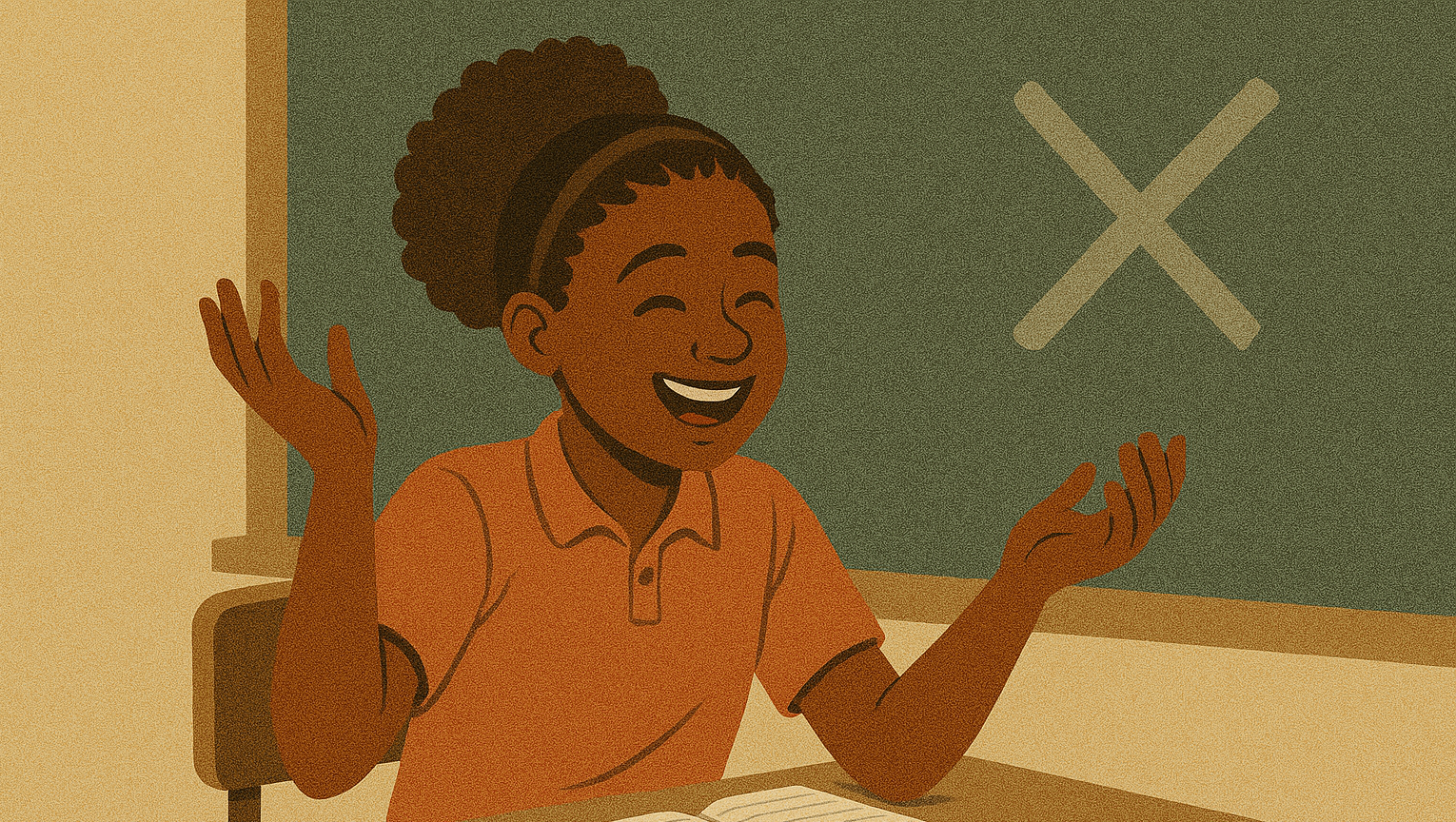
Failing cheerfully
Persisting curiously
Students start breaking out of same-pace learning — as their independent abilities grow.
The two beautiful results
Result 1
Each individual student
becomes educated — able to use inner autonomy to apply themselves at school and in real life.
Result 2
The one-and-many
Now, even though there is only:
- the-one educator in the classroom
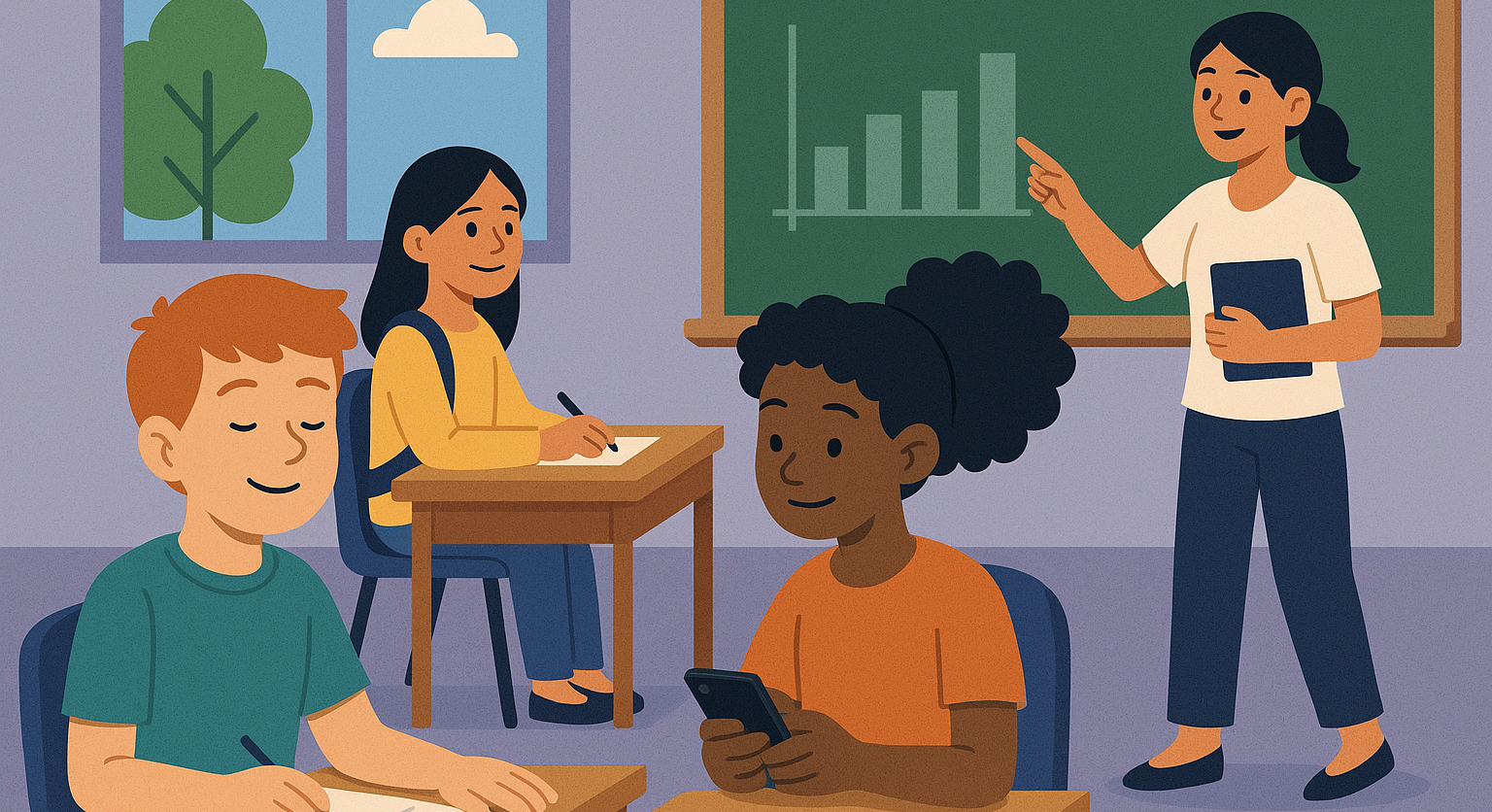
- the-many students can learn — and help each other learn — in their own learning zones (for parts of the day).
Students use new ability for independence to
break out of same-pace learning.
This is a big deal.
With just one educator, the-many students can learn in their own zones (for parts of the day).
The Beautiful Problem has already been solved.
See for yourself.
Steps to success
-
Acquire new educating skills. Learn how to:
- develop wellness in the brain
- lead out student independence with Inner Educational Exercises
- use the science of learning motivation
-
Learn how to work on the system — not just in it:
- Taylor's method
- The Lead Out Method
- Deming's Quality Method
- Lean / agile techniques
- Educate students. Lead them through a gamut of Inner Educational Exercises so they become able to ask and better hear the wise part within, develop the skill-of-the-will, strengthen attention, and experience wellness — not stress or trauma.
- Go back and forth between educating and teaching.
- Grant growing freedom. As students become more independent, let them break out of same-pace learning — so they learn, and help each other learn, in their own learning zones.
There is a lot more to the Lead Out Method
- A way to subsume Deming's Quality Method to assure students are ready for next year's learning.
- A change in learning priority: reading and writing become preeminent.
Will you (we) succeed?
The stakes couldn’t be higher.
If you (we) continue choosing a production method in our schools, then we will fail too many students.
If you (we) choose The Lead Out Method — an education method for solving The Beautiful Problem — then students become both educated and learned.
Do you want a method for education
instead of production?
Add your voice. We review comments before sharing them.