
A beautiful new
public school system.
This is not complicated.
Wrong problem → right problem
It’s really that simple.

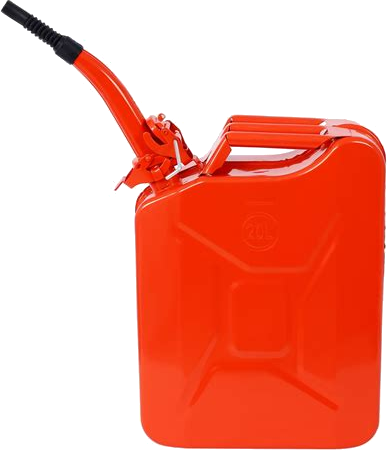
It’s the same with the school system.
12 years of Oakland Unified results
Math, La Escuelita Elementary, Oakland Unified — typical for the school district
no higher than this.
Heroes work here.
They show up — every day.
Before I show you —
what do you think the results are?
People have changed. What hasn’t changed? The system.
same results.
What causes the system to “want” these results?
System trying to solve the Wrong Problem
discouraged
zone
bored
Everyone is doing their jobs
— of the system
…a system attempting to get students to learn at the same pace.
SYSTEM
If the wrong problem causes these results…
…what is the right problem?
We need to know.
How would we design a system to solve a problem
if we don’t know what it is?
How would we even know if we’re making progress?
How do we identify the problem? Look at the symptoms.
This is not complicated.
✦ The Beautiful Problem
Symptoms → Problem
What’s the problem?
The problem is before the learning.

inside what they need to succeed?

Solving it enables students to succeed —
not only at school, but in real life.
The Lead Out Method solves ✦ The Beautiful Problem — in two columns.
Educate — from the Latin e·du·ce·re: to lead out the student from inside, so they lead themselves more independently.
- hear the wise part within → better choices
- use the skill of the will to follow through
- go from stress or trauma to wellness — a few minutes a day; the key is repetition
- strong, focused attention — guided imagery
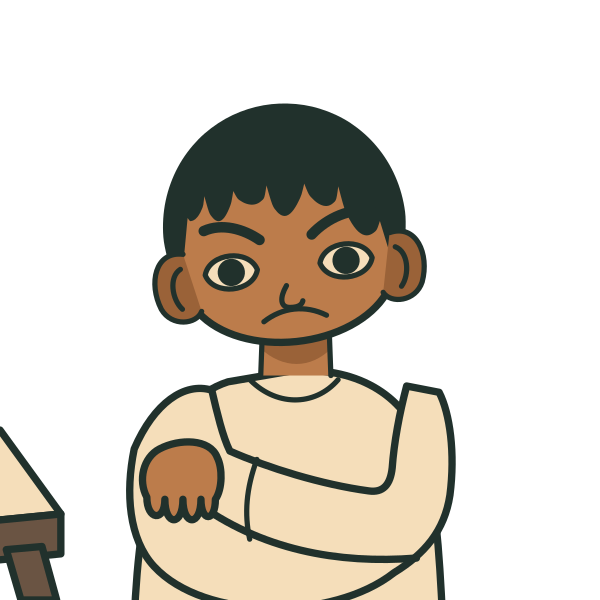 Defiant
 Engaged
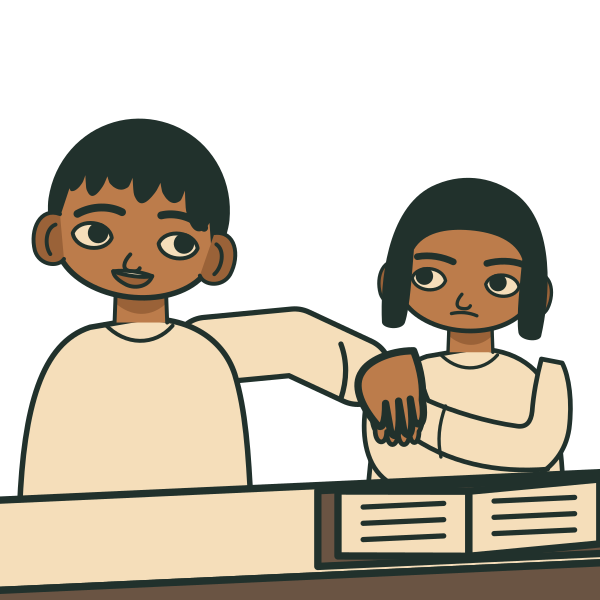 Helping others
The evidence
It has already been done — decades before the science could explain why it works.
Science confirms
- Neuroplasticity — inner abilities can be developed.
- Mindset (Dweck) — belief that ability can grow.
- Positive psychology — wellness is trainable.
- Grit & character (Duckworth, Tough) — predict success more than talent.
- Motivation (Deci & Ryan, Pink) — autonomy, mastery, purpose.
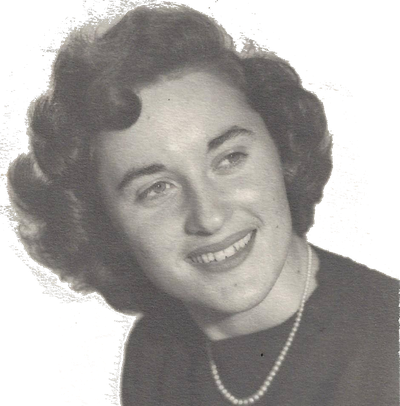
Eva Fugitt
5th-grade class, 95% African-American. Students arrived angry, fighting, “incorrigible.”
She led them through Inner Educational Exercises that grew their wellness and their will.
Reading: 2.4 → 6.0
grade level in one school year.
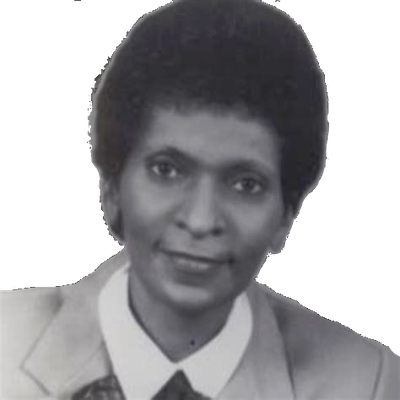
Marva Collins
4-year-olds writing “See the physician.” 3rd graders reading Tolstoy.
Predicted for her students: 1 murdered, 2 in prison, 5 on welfare.
Years later: all alive, none in prison, none on welfare.
Not good results. Spectacular results.
Bottom line
Impossible problem
The Beautiful Problem
What’s in the way?
A mere consensus.
Not money. Not new laws. Not new buildings.
Don’t wait for someone else to have the courage to speak.
Students and heroes are waiting for you.
Wrong problem, right problem.
A beautiful new public school system — explained in about 7 minutes.
Narrated by Bob Caveney, founder of schoolio.org · 9 short parts · pause or skip any time